
10 December 2024
The construction industry in Zambia is brimming with opportunities, but for many women, systemic challenges make it a difficult space to navigate.
In this blog Child Protection and Safeguarding Specialist Ngosa Kulula, explores how safeguarding can create safer, more inclusive workplaces where everyone can thrive:
Safeguarding women means taking proactive steps to prevent and address work-related sexual exploitation, abuse and harassment of women across the construction sector. It’s about creating workplaces where women feel safe, respected and valued.
The gender disparity in the construction industry together with a macho culture, often perpetuates abuse and harassment of women. These behaviours are sometimes disguised as inappropriate requests, questions, jokes or innuendo.
To change this, it is essential for organisations to commit to building a strong safeguarding culture that actively combats these issues and ensures safety and respect for all.
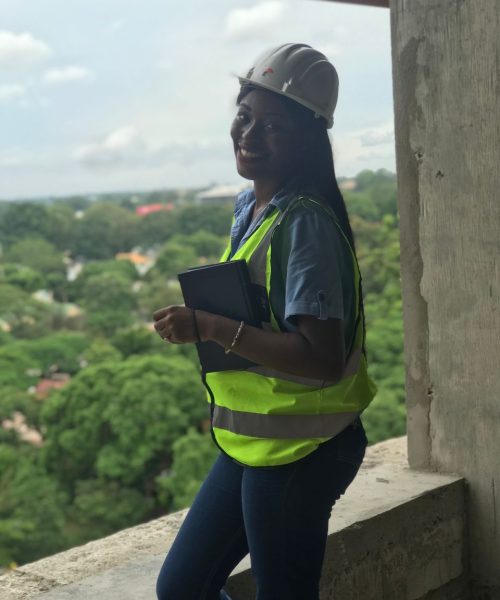
I was inspired to work in the construction industry as a way of challenging gender stereotypes, and proving to myself that I can do anything that I set my mind to. I am grateful that my family has always been supportive of my dreams.
I studied Construction Management at the Copperbelt University and later had the opportunity to work on some amazing projects.
While my time in construction was a brief three years, it exposed me to significant power imbalances and gaps in workplace safety and accountability. I witnessed instances where workers, particularly women, were vulnerable to harassment, exploitation and unsafe conditions.
This shaped my passion for creating workplaces and systems where everyone is protected, respected and empowered to thrive without fear of exploitation or abuse.
I believe some of the biggest challenges women face include deeply entrenched gender narratives that normalise male dominance and marginalise women. These narratives create an environment where women are often subjected to inappropriate comments, harassment and exclusion from decision making spaces. All this undermines women’s sense of safety and belonging.
The lack of robust systems to prevent and address sexual exploitation, abuse and harassment (PSEAH) in the workplace exacerbates these challenges. Many women are reluctant to report incidents of misconduct due to fears of retaliation, stigma or not being taken seriously. This coupled with the absence of female mentors and leaders to advocate for their needs, makes it difficult for women to feel truly supported and empowered within the industry.
Safeguarding concerns have a profound impact on the number of women who choose to join and remain in the construction industry. The pervasive misogyny and normalised sexualisation of women in this space often make it unwelcoming and unsafe. Take for example the lack of basic accommodations like women’s toilets that meet sanitary needs, or the catcalling women enduring on the construction sites. These issues send a clear message: women are not considered, let alone prioritised, as equals in the industry.
Too many barriers reinforce gender inequality, perpetuating a cycle where construction remains a male-dominated field. It’s no wonder many women hesitate to enter or leave the industry prematurely, unable to envision a long-term future within it.
Addressing these challenges requires intentional action, creating inclusive policies, implementing proactive safeguarding measures and shifting the industry’s culture. They will help ensure that women feel safe, valued and empowered to build lasting careers in construction.
Safeguarding measures such as zero-tolerance policies for harassment and discrimination, and accessible mechanisms for reporting and addressing concerns can help break down systemic barriers. Providing adequate facilities, such as gender-specific toilets and secure changing areas, are essential to meet women’s needs.
Regular training on gender sensitivity and diversity can raise awareness and foster respect across teams. Mentorship and career development opportunities in companies help ensure visible representation of women in construction. Creating a supportive workplace culture where harmful behaviours are actively addressed, and inclusivity is encouraged is key. Offering flexible work arrangements and family support policies helps retain women in the industry.
A safer, more inclusive construction industry is one where every individual feels valued, respected and supported to thrive. It’s an industry that prioritises safeguarding as a core value – where policies are not just written but actively enforced. It’s about creating workplaces that are free from harassment, discrimination and fear, and cultures that foster trust and mutual respect.
Addressing the challenges requires deliberate and sustained efforts, and we all have a role to play. Employers must lead by example, implementing and upholding inclusive policies. And I’ve seen companies take positive steps in making this happen. Male colleagues can become allies, challenging harmful behaviours and advocating for equality. Women can support and mentor one another, creating a network of solidarity and empowerment. As a society, we must continue to raise awareness, investing in gender sensitive training and hold industries accountable for fostering equality.
Prioritising safeguarding paves the way for cultural shifts that benefit everyone, not just women. A safer, more respectful work environment encourages collaboration, innovation and productivity across the construction industry. It is essential for growth and success.