Our blog series Pamodzi is shining the spotlight on women in construction. Difference voices, different stories – one vision of a more diverse workforce.
28 May 2025
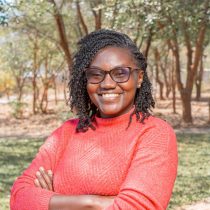
By Mildred Mwakamui, Build It Programme Manager – Work Based Learning
In this blog, Mildred shares how her work arranging placements for young trainees highlights the ongoing need for better facilities for women on construction sites, and why supporting their health and dignity is key to a truly inclusive industry:
Building dignity: Why construction sites must work for women too
I’ve been with Build It International for over five-years now, arranging work placements for young people training through our Centre for Excellence.
The role felt like a natural fit for both my experience and my passion. But I never imagined that my background in sales would translate quite so well into advocating for young people, especially women entering the construction industry. But it has! Those early skills in negotiation and communication now help me open doors for trainees, ensuring they’re placed in environments where they can grow, feel supported and be seen.
Work placements are stepping stones for our trainees, helping to bridge the gap between learning and earning. They provide valuable connections and improve their chances of long-term employment.
Around 25% of our trainees are women, and we’re actively working to support the construction industry in becoming more inclusive. Supporting women’s health and dignity in the workplace is a vital part of this.
When I visit sites and work with contractors to arrange placements, we talk about what an enabling work environment looks like – for everyone. My role allows me to be part of this change working directly with contractors to help ensure that every trainee, regardless of gender, has the opportunity to thrive.
A personal glimpse into the challenges for women onsite
Conditions can vary a lot between large formal sites and the informal construction sector, but one thing remains the same: there’s still a long way to go in making these spaces work for women.
Having worked in this field and spent a significant amount of time on construction sites, I’ve seen firsthand some of the challenges that can come with being a woman in this space.
Right after high school, I interned at a construction site. The site was across the road from a service station. The engineer had requested permission from the service station manager that I could use their bathroom, as they did not have anything appropriate for women onsite. Every time I needed to use the bathroom, I had to cross over the road to the service station. I didn’t think too much of it at the time. But looking back, that was just a glimpse into the broader challenges women face on construction sites.
I once visited a site that was just beginning mobilisation. The subcontractors were preparing to start the substructure works – footings and foundations. All they had for accommodation was a tent and a mosquito net. For restrooms, they had to use the nearest bush. Building a bathroom or toilet wasn’t a priority. It was clear that sanitation, especially for women, was not considered in the early planning stages. That needs to change. These experiences have given me a deep appreciation for the importance of inclusive, respectful workplaces.
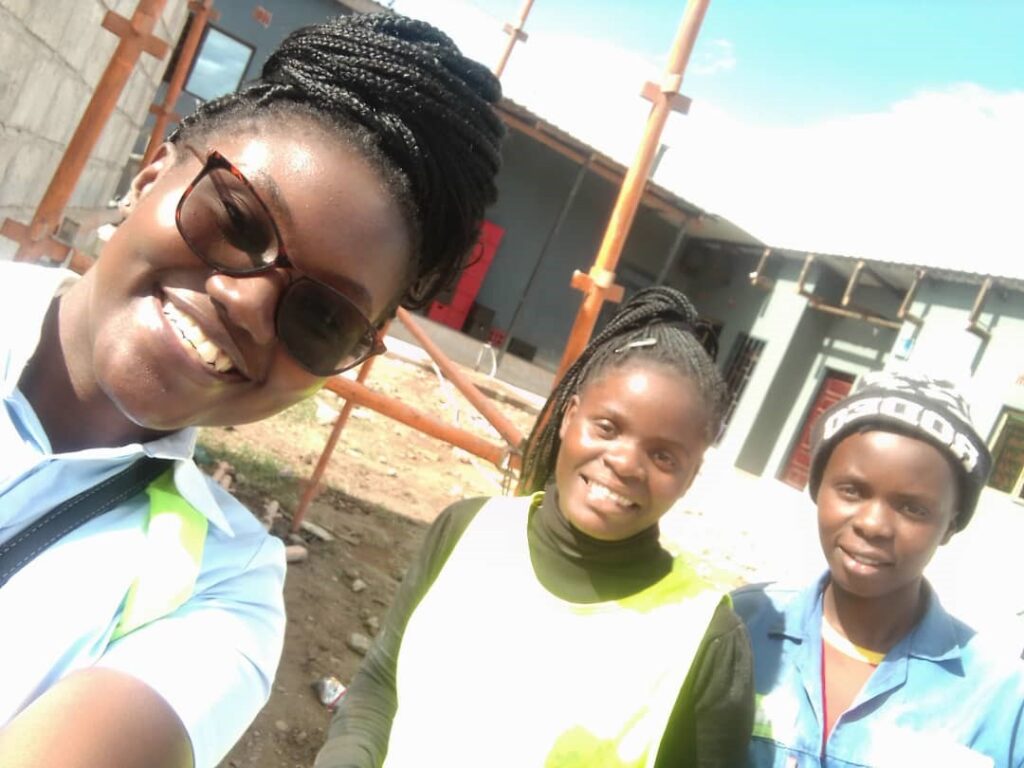
Mildred pictured with Build It graduates Memory and Winess
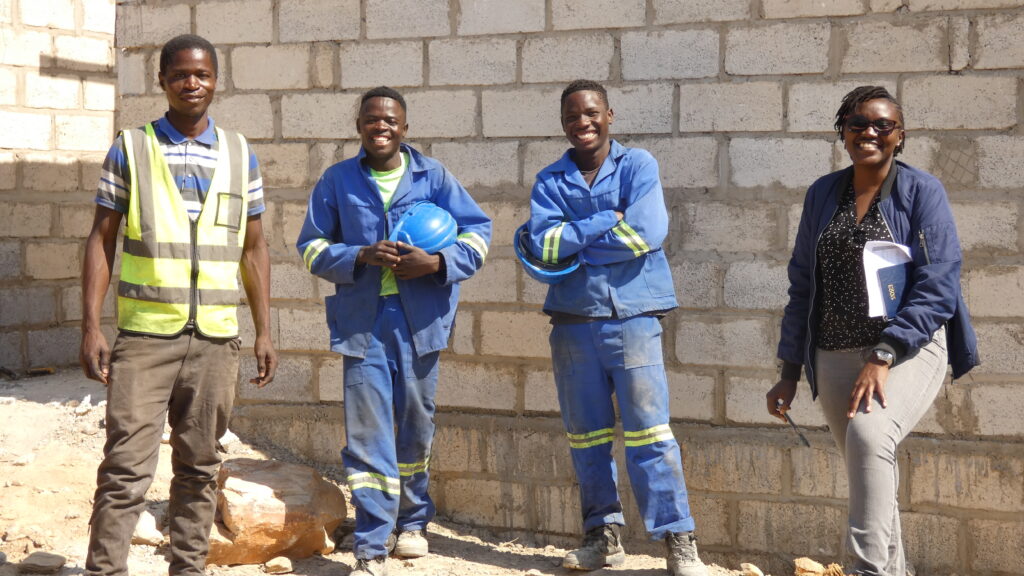
Mildred with Build It graduates Whynod, Peter and Charles
Periods – Stigma and misconceptions
Real inclusion means thinking about all aspects of health – including those that aren’t often talked about. Menstrual hygiene is one of them. This has such a big impact on women’s experiences in the workplace, particularly in male-dominated fields like construction.
One major challenge is the widespread misunderstanding of how menstruation affects women. It impacts every woman differently. Some are able to carry on with regular tasks, while others experience intense pain, fatigue or discomfort.
There’s a common misconception that women become lazy during their periods – something I’ve unfortunately heard on more than one occasion. This kind of thinking creates an environment where women feel judged, rather than supported. It denies them the chance to show what they are capable of.
To tackle this, we need to talk about it openly. While traditionally it may be seen as inappropriate, it’s the silence and misinformation that lead to stereotypes. By talking about menstruation openly and respectfully, we can normalise it and go forward to create better support systems.
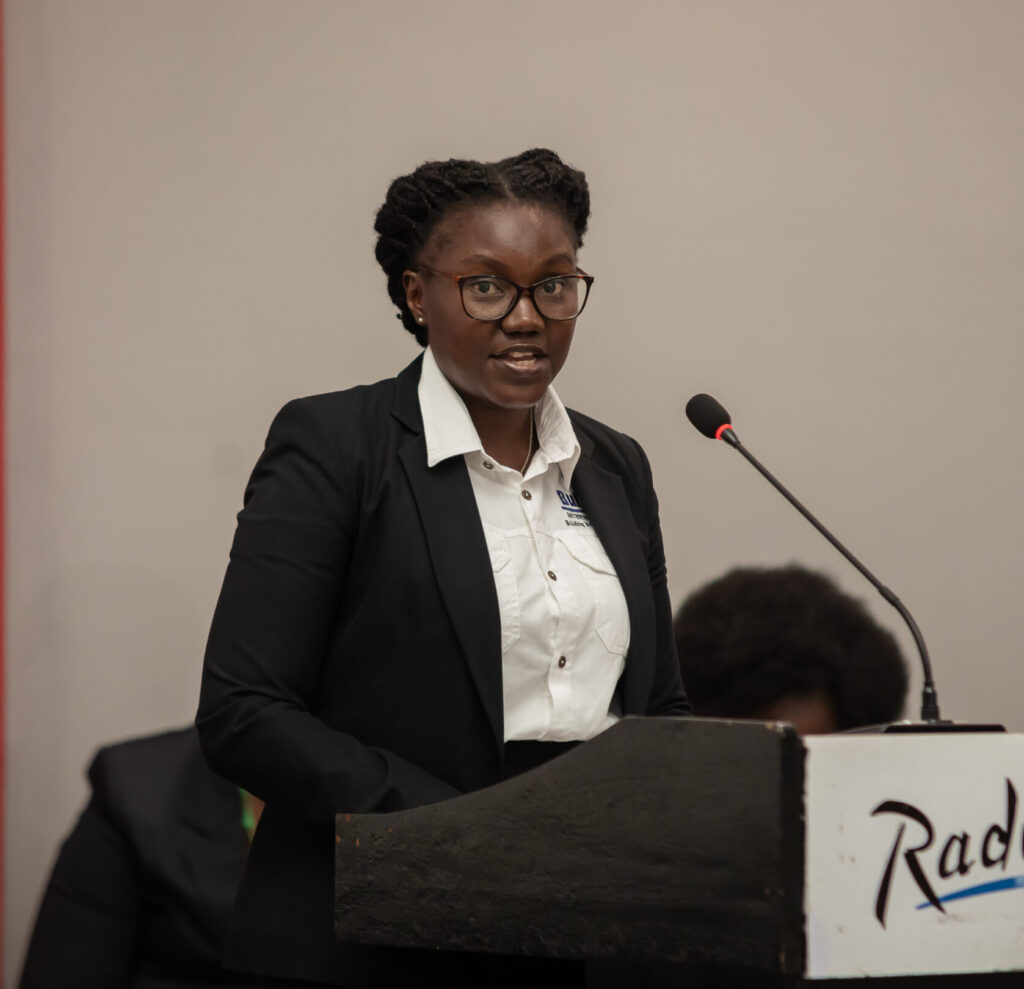
Mildred presenting at Build It’s national conference in January 2024: Breaking barriers, building dreams – Women’s contributions to Zambia’s build industry
Failing to address this issue will continue to significantly impact women’s participation, attendance and confidence in the workplace. Without access to clean bathrooms, water and facilities for changing and disposing of sanitary items, many may feel compelled to stay home. Ensuring these essentials is a matter of comfort, confidence and dignity.
On some sites where there are very few women, I’ve seen arrangements where female workers are allowed to share the engineers’ bathroom, which is usually the cleaner and more well maintained one. It’s a small step, but things like this can make a meaningful difference.
A message to the industry
If I could share one message with construction companies, it’s this: every worker – male or female – deserves access to safe, hygienic and culturally appropriate facilities that ensure privacy and dignity.
With more women joining the sector, from artisans to managers, construction sites must be designed with their needs in mind. Inclusion isn’t just about hiring more women – it’s about making sure the environment supports them once they’re there.
By recognising these challenges and making positive changes, we can help build a more diverse sector that benefits everyone.
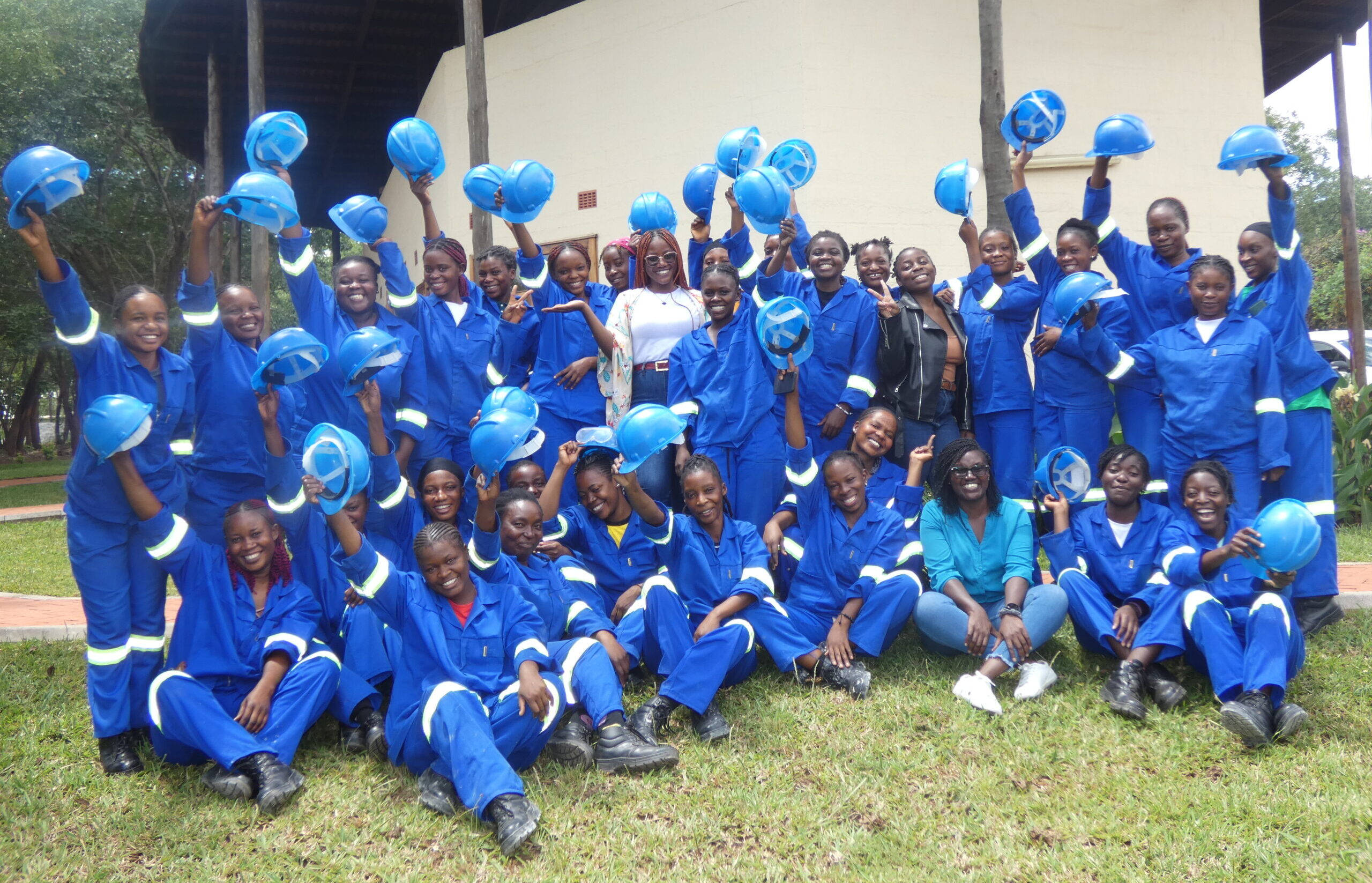
Female mentorship session at Build It’s Centre for Excellence, March 2025
- The views and opinions expressed in guest articles in this blog series are those of the authors and do not necessarily reflect the official policy or position of Build It International. We encourage diverse perspectives to help foster meaningful dialogue. For questions or concerns about specific content, please contact us directly via [email protected]
