Our blog series Pamodzi is shining the spotlight on women in construction. Difference voices, different stories – one vision of a more diverse workforce.
20 May 2024
By Prisca Fumpa: Build It Project Manager
Project Manager Prisca discusses Health and Safety in Zambia’s bustling construction sector, and steps to take for a healthier, safer and more productive environment:
Building brighter futures
My fascination with structures led me to choose a career in civil engineering. In my teens, I was captivated by the beauty of their construction, and how these structures managed to stand up! I love how infrastructure can profoundly improve lives – providing clean water, sanitation, improved housing, schools and healthcare. It’s an exciting industry that is helping to boost our country’s economy.
The construction sector urgently needs more skilled workers to support this growth. Build It International helps train young men and women from disadvantaged backgrounds across Zambia with new skills in construction. Their new skills mean new opportunities to work and prosper.
Safe and healthy working environment
Construction is a high-risk industry. It is essential to acknowledge and address the inherent risks. Workers often work at heights, operate large machinery, handle heavy loads and deal with hazardous materials. There are also often multiple contractors/workers active onsite at the same time.
I remember seeing a team of steel fixers who were welding a roof structure. There was not enough scaffolding, no safety harnesses or Personal Protection Equipment (PPE) – some were even up there wearing sandals! Poor attitudes to safety, lack of training, inadequate safety equipment and poor enforcement of safety and health regulations all continue to contribute to accidents and injury across the sector here in Zambia.
Implementing a range of efficient and effective measures is crucial. Collaborative effort amongst all the different partners across the sector including employers, employees, educators and policymakers is essential to nurture and protect our workforce.
Protecting the vulnerable
The ILO estimates that 95% of accidents involves workers employed by subcontractors (1). Subcontracting in Zambia’s construction sector is widespread with a significant number of workers employed on a temporary or casual basis:
- 158,931 people are employed in the Zambia construction industry; 88.4% in informal employment and 11.6% in formal employment (2)
Informality in employment often means no formal contracts, unstable job conditions, and little or no access to basic social safety nets for illness, work-related injuries and job loss (3). Many workers on temporary contracts put in long hours to maximise earnings. Often they lack proper training or experience of working on hazardous construction sites, and financial necessity means many accept poor working conditions.
Young workers
Young people are particularly vulnerable. For many the workplace is an unfamiliar landscape with risks that require careful navigation. The consequences of getting it wrong can be devasting, impacting their health, future job prospects and earning abilities.
This is why Build It has embedded health and safety throughout its training programme, helping to foster understanding and discipline from the very start.
Our young trainees learn how to safeguard their well-being and future in the industry. We have clear health and safety protocols at our construction training centre – our Centre for Excellence, and at our community build projects to ensure this approach becomes second nature. We place our trainees on work placements with contractors who recognise that proper training contributes to a safer, more productive workplace.
Women in construction
Women face additional challenges with some construction hazards having a disproportionate impact on female construction workers.
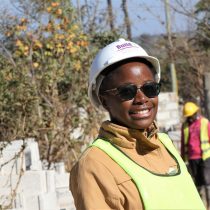
PPE is vital in mitigating health and safety risks on construction sites. But the standard one-size-fits-all PPE doesn’t account for anatomical differences between men and women. Ill-fitting PPE poses real risks to female construction workers through limited mobility and trip hazards. There’s also a psychological impact. Poor-fitting PPE can make you feel excluded: less professional. Inclusive PPE promotes safety and a positive workplace environment where women are welcomed.
Toilet and wash facilities are another critical issue impacting on the health and safety of women, yet they are often the things that get missed out.
Most women working in this trade have horror stories about toilets. Facilities on urban construction sites vary enormously. And on rural construction sites where workers typically camp out, the situation is often even more challenging. The availability of sanitary products and facilities is also a concern. There will only be real change if the industry becomes more comfortable about discussing women’s health. This is vital if the construction industry wants to attract and retain new talent.
Working in a traditionally male-dominated sector can be tough for women. I feel like our country is not yet used to that change in power. When there’s a woman in a more senior position like a superintendent, supervisor, engineer – we can often experience belittling, aggression and discrimination. Because of my petite stature, people have looked at me and say; “Who’s this girl?” They don’t even ask your role, they’re just like; “What does this girl want?!”
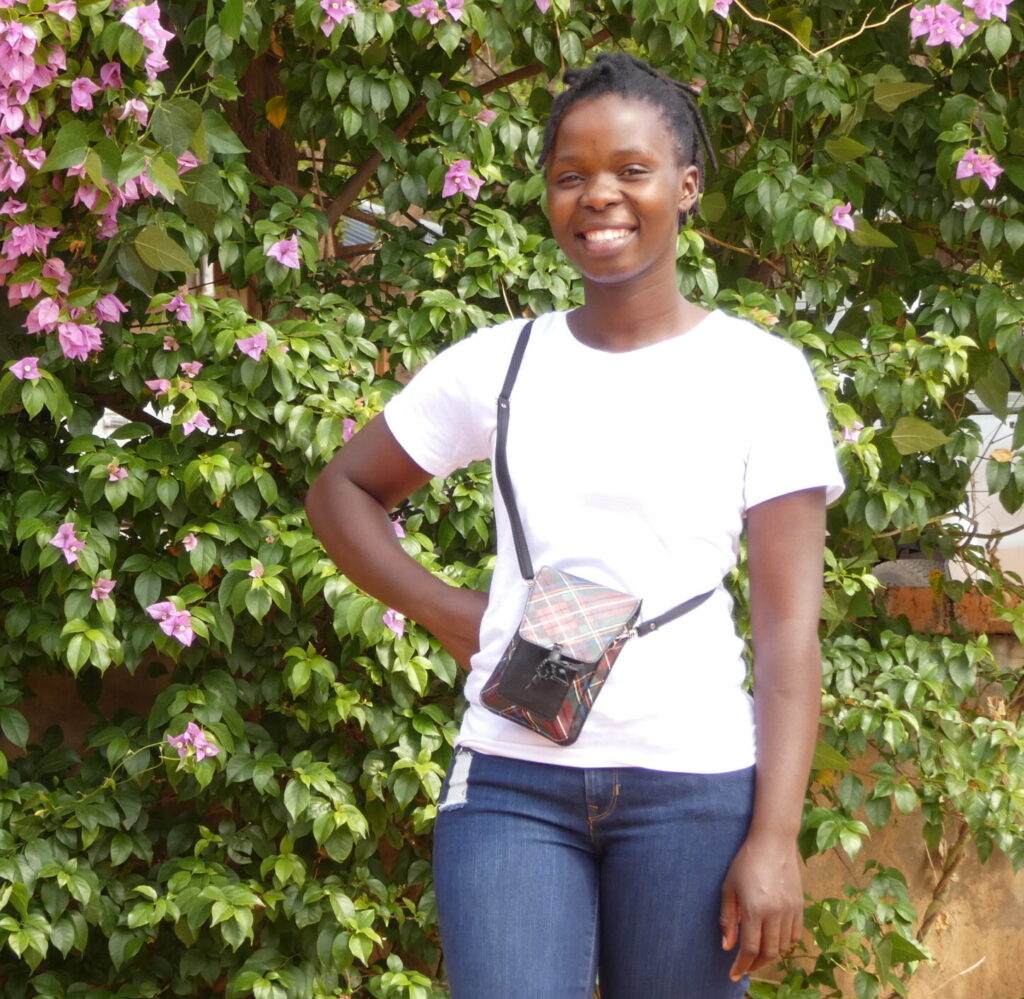
“Ever since my training, I’ve been able to take care of my family financially, and I’ve been blessed with good job opportunities as a full-time female bricklayer. The desire for a better future greatly motivated me to keep going and work hard daily. I was encouraged, especially when I saw other women building and earning a decent living through the same job I had. Each time I see a female doing a male-dominated job, I get reminded that if she can do it, so can I.”
Build It graduate, Winess Mufwaya
Uniting for safe, positive workplaces
It is imperative to support both the physical and mental health of people working in the construction sector.
In the four years I have been working in this field, I have seen attitudes and measures around health and safety improve, particularly amongst casual workers and subcontractors. It’s like a ripple effect: when workers have been on construction projects where there was a strong implementation of health and safety measures, they carry forward this positive change.
We should all see health and safety measures as stepping stones, not hurdles, to a healthier, happier and more productive environment for everyone.
1. Green Jobs Programme: Promoting occupational health and safety in the building construction sector in Zambia
2. ZM_2022-Labour-Force-Survey-Report-kk.pdf (mlss.gov.zm)
3. Green Jobs Programme: More than business alone: Extending and promoting social protection amongst MSMEs and informal workers in Zambia’s building construction industry
- The views and opinions expressed in guest articles in this blog series are those of the authors and do not necessarily reflect the official policy or position of Build It International. We encourage diverse perspectives to help foster meaningful dialogue. For questions or concerns about specific content, please contact us directly via [email protected]
