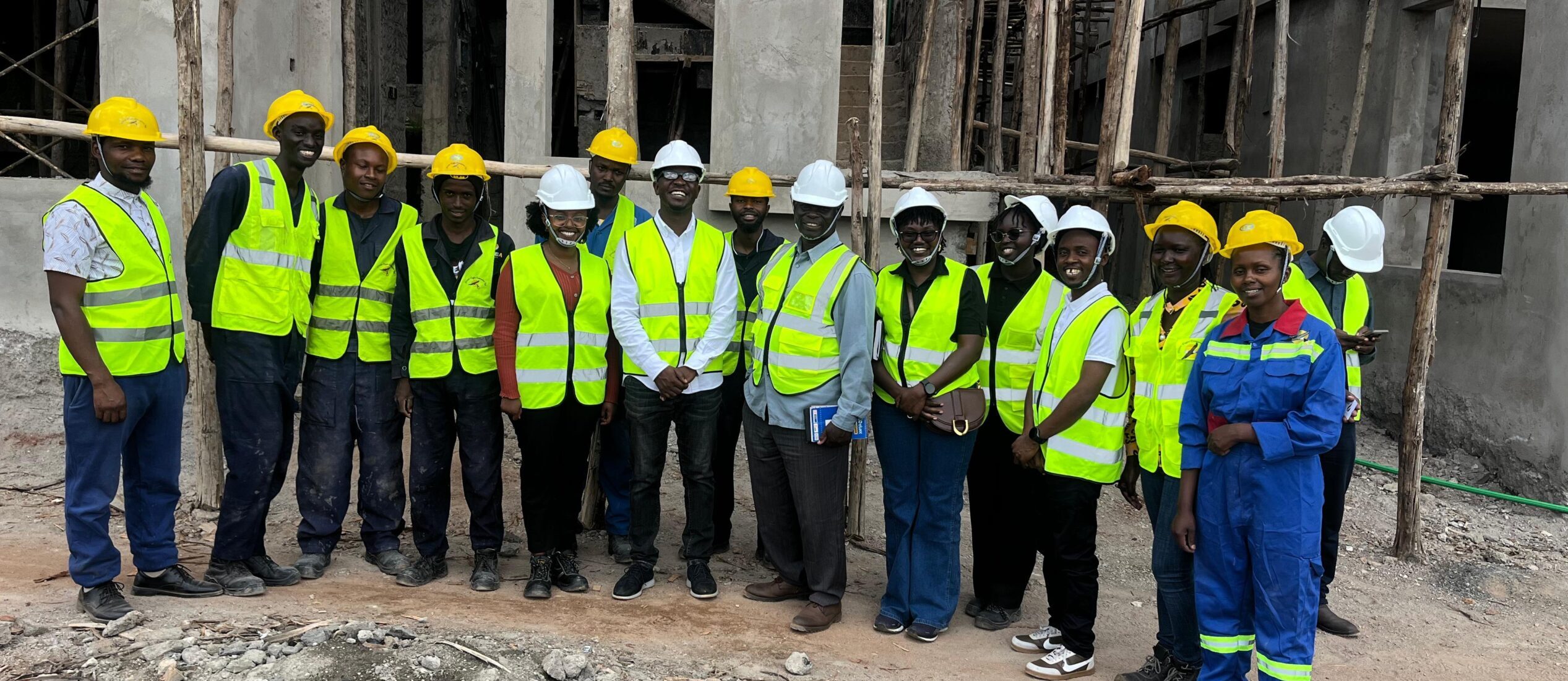
Benchmarking exercises are a practical way to learn, share experiences and bring back new insights that can help improve our work.
Our Youth Economic Engagement through Work‑Based Learning in Construction (YEEC) project is driving transformation in how young people enter and thrive in Zambia’s construction sector. As part of efforts to strengthen the WBL model in Zambia, Build It led a benchmarking mission that brought together key industry partners to visit several Training Institutions.
Driving improvement through benchmarking
The goal of the benchmarking visits was to understand how operational models, curriculum structure and industry collaboration strategies contribute to successful training programmes.
A delegation consisting of Build It staff, TEVETA, Taurus Group, Daka & Associates and NAMSSC embarked on benchmarking visits in Zambia and in Kenya.
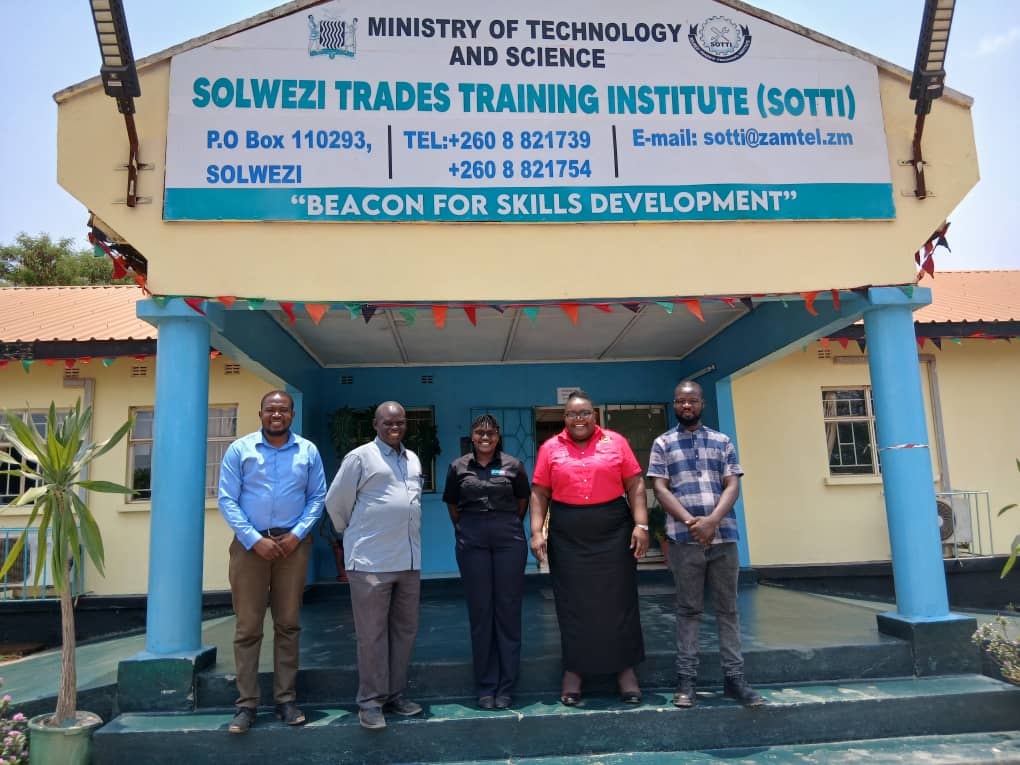
The team began in October with local visits across Zambia to Mufulira Central Training Centre in Mufulira, Copperbelt and Solwezi Trades Training Institute.
Local benchmarking visit at Solwezi trades training institute
Learnings from Kenya’s Training Institutions
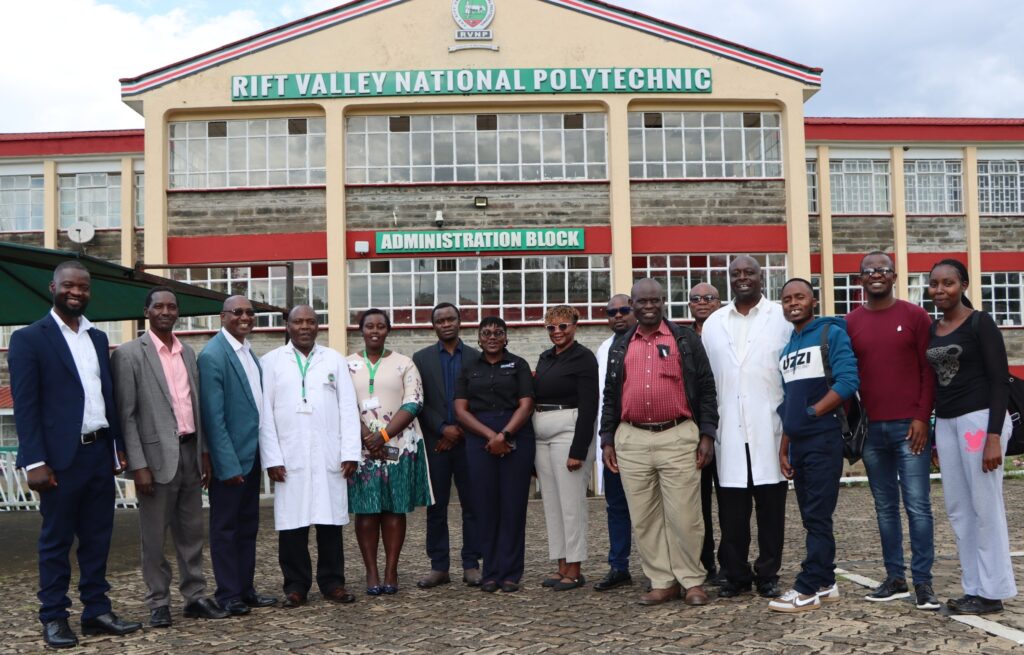
This followed a week‑long visit to Nakuru and Nairobi in Kenya for an immersive learning experience across leading institutions including Rift Valley National Polytechnic (RVNP), SwissContact’s PropelA Project, Don Bosco, and other industry sites.
Benchmarking visit to Rift Valley National Polytechnic
Kenya’s benchmarking visits showcased strong dual training systems where industry and training institutions work closely to align curricula, mentor learners, and improve employment outcomes.
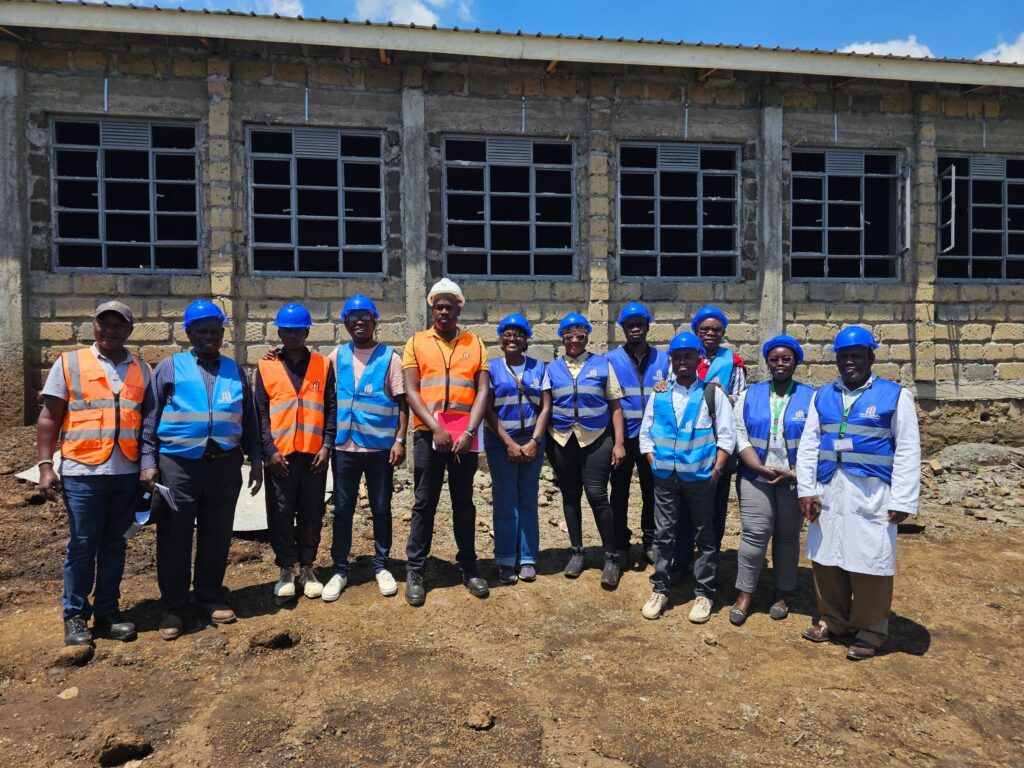
At RVNP and through industry site visits, the delegation saw the value of well‑structured placements, modern workshops, fair gender practices, and coordinated employer networks in improving trainee readiness.
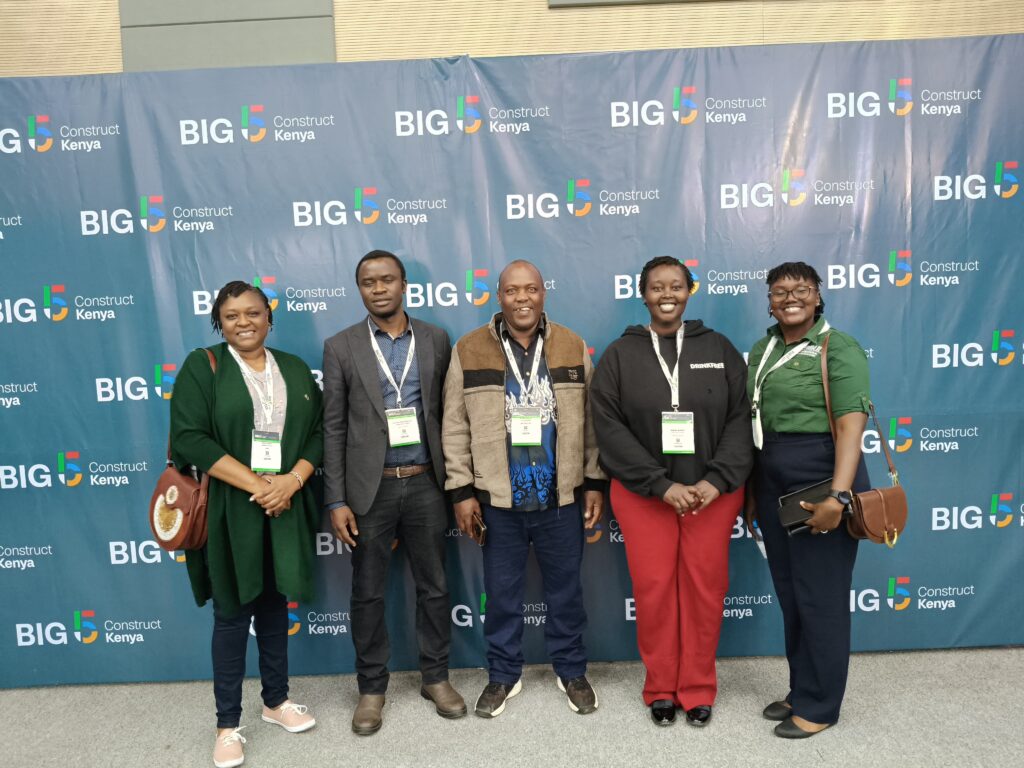
The delegation also had the opportunity to attend the largest construction industry gathering in East Africa – The Big 5 Construct Kenya 2025 Expo in Nairobi.
Build It Work Based Learning Project Officer Frank Banda said the Big Five Expo was a very enlightening event:
“Seeing the different tools and models that different exhibitors brought to the expo was very interesting – specifically the demonstration of sustainable green infrastructure. There is much we can learn from other countries, and there is a lot of room for improvement in our skills sector.”
Benchmarking team attending the Big 5 Construct Kenya Expo
What Zambia can apply from the benchmarking findings
The benchmarking visits demonstrated that strong industry collaboration and practical competency‑based delivery are the central foundations of effective Work‑Based Learning. Employers play a decisive role in curriculum design, financing, mentorship and assessment.
Across both the Kenya and local benchmarks visits, key lessons are that training quality and sustainability are driven by strong partnerships, standardised mentoring, and alignment with national regulatory systems. Modern technologies help, but work best when these core foundations are already in place – enhancing outcomes through industry‑standard tools and digital systems.
Together the findings point to clear priorities for Zambia:
- Strengthening industry ownership
- Expanding competency‑based training
- Developing sustainable co‑financing models,
- Promoting inclusive and gender‑responsive practices
- Ensuring regulatory alignment
The integration of technology integration should support these core pillars, rather than replacing them.
Learnings from the benchmarking will be used to refine Build It’s curriculum for our Bricklaying and Rough Carpentry courses. This includes stronger engagement with industry and trainers to define core competencies, learning outcomes and practical delivery methods.
Thank you
Our gratitude to the stakeholders from our technical working group who made themselves available to be part of the benchmarking visits, and to the institutions and their partners that welcomed us so warmly in their spaces and offered us a learning platform. This exercise is critical in shaping our WBL approach.
This work has been made possible through our partnership with LED – Liechtensteinischer Entwicklungsdienst and support from Liechtenstein development service.
For more information, please contact Mildred Mwakamui, Build It Programme Manager – Work Based Learning, at [email protected]