
8 March 2024
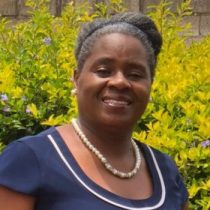
I am absolutely delighted to launch our new blog series Pamodzi on International Women’s Day 2024. A day to celebrate the progress made towards gender equality, and a poignant reminder of the work still to be done.
Zambia has a young population with around 65% under the age of 24. Our young men and women are formidable assets with the energy, creativity and passion to shape the world they want to live in. But only if they have the support and opportunities to thrive.
The Zambia National Labour Survey for 2021 highlights a youth unemployment rate of 14.9% for males and 21.2% for females. Our country faces significant challenges in educating and training young people with skills that are in demand, and in creating employment opportunities.
Build It International is passionate about helping young people realise their potential and to build themselves a brighter future. Skills development helps create sustainable livelihoods.
We train young men and women from disadvantaged backgrounds with new skills in construction. Our Training into Work programme provides the opportunities that young people need: life-skills, practical training and work placements, helping to deliver a clear pathway into employment.
We want to build brighter futures for all young people. Women face many challenges in accessing education, employment and leadership opportunities that limits their income, potential and rights. We want to create more opportunities for women to thrive and succeed.
Construction contributes 12% to Zambia’s GDP. Despite challenges, the sector is expected to continue to grow as demand for housing and infrastructure increases. It is estimated that globally 75% of the infrastructure that will be in place by 2050, does not exist yet. The industry faces a skills shortage, desperately needing more skilled workers.
But in this traditionally male-dominated field, women continue to face significant barriers:
The lack of gender diversity in the construction sector has been attributed to a range of factors including cultural attitudes towards women in the workplace, limited access to training and education, and a lack of supportive policies and practices within the industry [3].
I am passionate about challenging the status quo, changing traditional norms. I have two sisters working in technical fields – one in electronics and the other civil engineering, so there’s nothing new there in putting women where ‘they don’t belong’.
Achieving gender equality is fundamental in breaking the cycle of poverty that trap so many families across Zambia. It can help create a more prosperous and sustainable future for all of us. A more inclusive and diverse workforce brings a broader range of skills, perspectives and ideas. Men and women have different uses and connections to infrastructure, and for me that is what is missing in the equation – things should be built by men and women, for men and women.
So far, Built It has trained 1,800 young people – 25% women. But we know from tracking our data over years, that our female graduates take longer to find work, are less likely to be employed, and on average earn less than their male counterparts.
We want to see a significant gender shift. To build greater momentum for changing attitudes and supporting the progression of women in the construction sector.
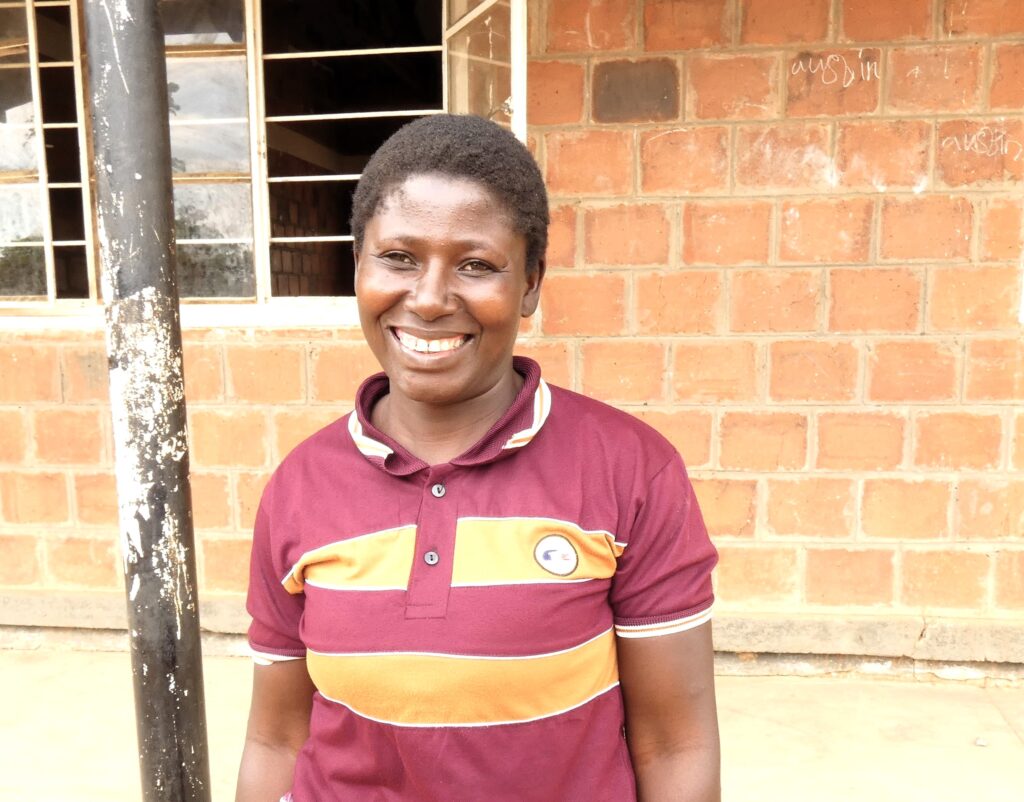
On 17 January 2024 we hosted our first major conference: Breaking barriers, building dreams: Women’s contributions to Zambia’s build industry. It brought together close to 100 partners, passionate and committed to changing the current trajectory of women in the construction industry in Zambia.
In preparation for the conference, we identified that four main stages make up the journey into construction, for both men and women. At each of these stages, female participation can be both helped and hindered:
We know the root problems for the gender imbalance are complex and multifaceted. This is why we need a holistic approach that involves the cooperation of all stakeholders across the construction sector, including employers, educators, policymakers, and civil society organisations.
Only by working together can we help create more supportive and inclusive work environments that provide equal opportunities for training, education, and career growth for women. Ensure that workplaces are safe and free from discrimination and harassment with effective policies and measures.
I am excited to see Build It continue to develop its approach to advocacy: How can we support women into and in the construction sector, and influence: How can we influence stakeholders into action.
The Breaking Barriers, Building Dreams conference was an exciting milestone for us, and clearly demonstrated the support in advancing gender equality across the sector. The energy and resolve for change was palatable. Women are not going to dance to the old tune – it’s time to rewrite the rhythm and the music, and coordinate a new harmony!